Korean Zucchini Side Dish

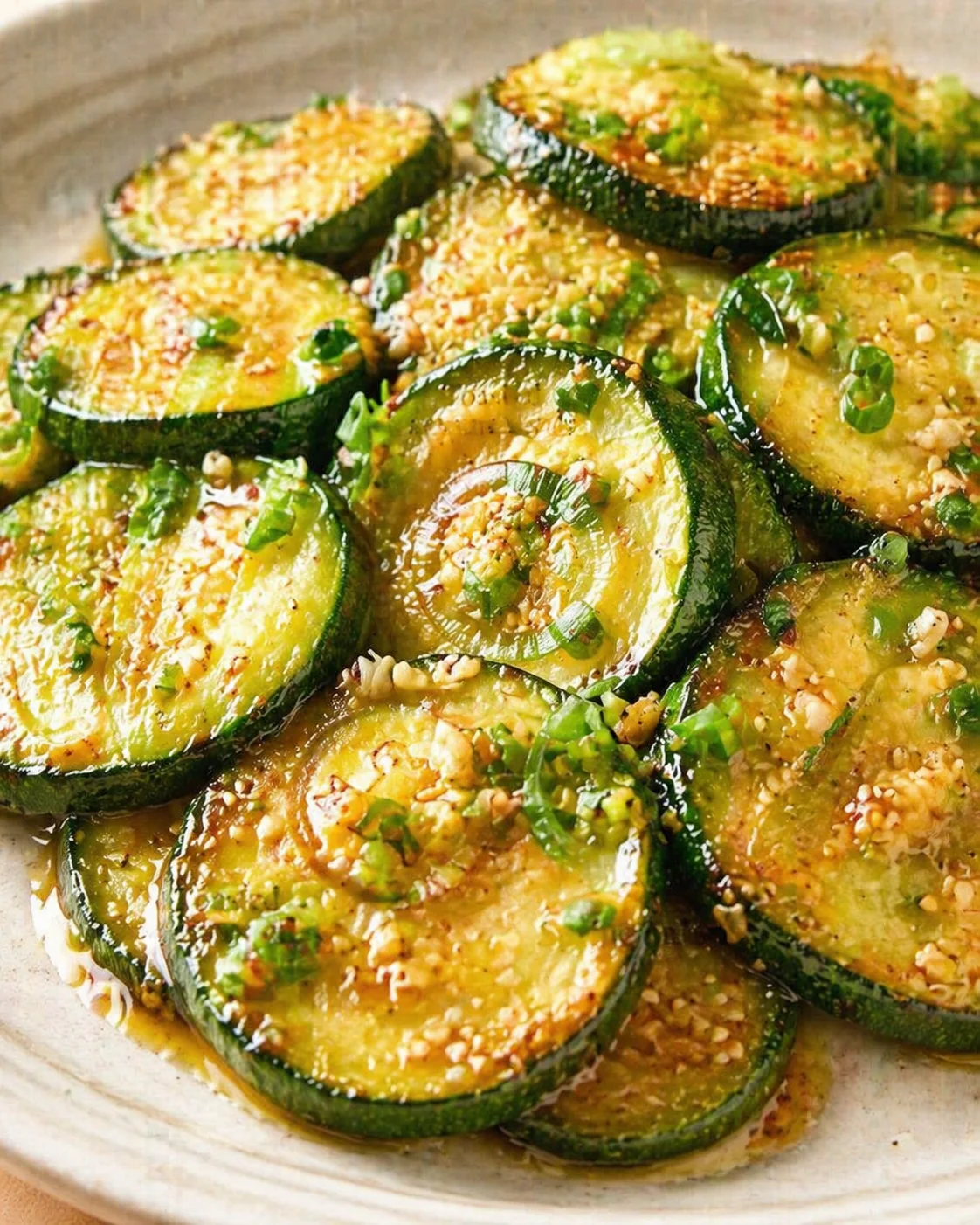
Before we jump to the ingredients, it never hurts to get to know the name of this Korean squash side dish a bit better.
This banchan is called hobak bokkeum or hobak namul in Korean.
- Hobak means zucchini
- Bokkeum means stir-fried
- Namul means a vegetable side dish
Hobak can sometimes refer to pumpkin broadly. For this recipe, I stick with your everyday zucchini, but Koreans traditionally use Aehobak squash — it’s basically a softer, thinner-skinned zucchini cousin, making it wonderfully tender when cooked.
Pro-tip: If you see Hobak jeun or hobak jun online, that’s a crispy fried Korean zucchini fritter, which is a fun twist but different from our quick stir-fry here.
Why you’ll love this banchan
This Korean zucchini side dish is a total winner. It’s simple but packed with flavor and pairs beautifully with any meal—try it alongside high-protein sesame chicken or a quick Korean ground beef bowl. Here’s why I think you’ll want it on your table asap:
- Super Simple: Just a few easy-to-find ingredients and minimal prep. Great for busy days! For another fast option, try this 15-minute zucchini mushroom stir-fry.
- Flavorful and Textured: Think crunchy, fresh zucchini with a garlicky kick and nutty sesame goodness. Plus, it tastes even better chilled. Craving something extra-crispy? Try air fryer zucchini fries for that satisfying crunch.
- Healthy and Vegan: Zucchini is loaded with good-for-you vitamins and fiber, and this recipe keeps it clean and plant-based. For another light, veggie-forward option, see how to make zucchini noodles.
What is hobak bokkeum?
Before we jump to the ingredients, it never hurts to get to know the name of this Korean squash side dish a bit better.
This banchan is called hobak bokkeum or hobak namul in Korean.
- Hobak means zucchini
- Bokkeum means stir-fried
- Namul means a vegetable side dish
Hobak can sometimes refer to pumpkin broadly. For this recipe, I stick with your everyday zucchini, but Koreans traditionally use Aehobak squash — it’s basically a softer, thinner-skinned zucchini cousin, making it wonderfully tender when cooked.
Pro-tip: If you see Hobak jeun or hobak jun online, that’s a crispy fried Korean zucchini fritter—different from our quick stir-fry here. If you’re simply craving something crispy, these salt and vinegar zucchini chips are a fun alternative.
Ingredients you’ll need
I promise you, this zucchini banchan is as easy as it gets! Here’s what you’ll need to whip it up:
- Fresh zucchini, garlic, and green onion
- Coarse sea salt
- Avocado oil and toasted sesame oil
-
Toasted white sesame seeds
Quick one-minute cooking method
- Slice the zucchini thinly (use a mandoline for even slices).
- Place the sliced zucchini in a bowl, sprinkle with coarse sea salt, rub it in, and let sit to draw out moisture.
- While the zucchini sits, mince the garlic and chop the green onions.
-
Squeeze out excess water from the zucchini slices with your hands.
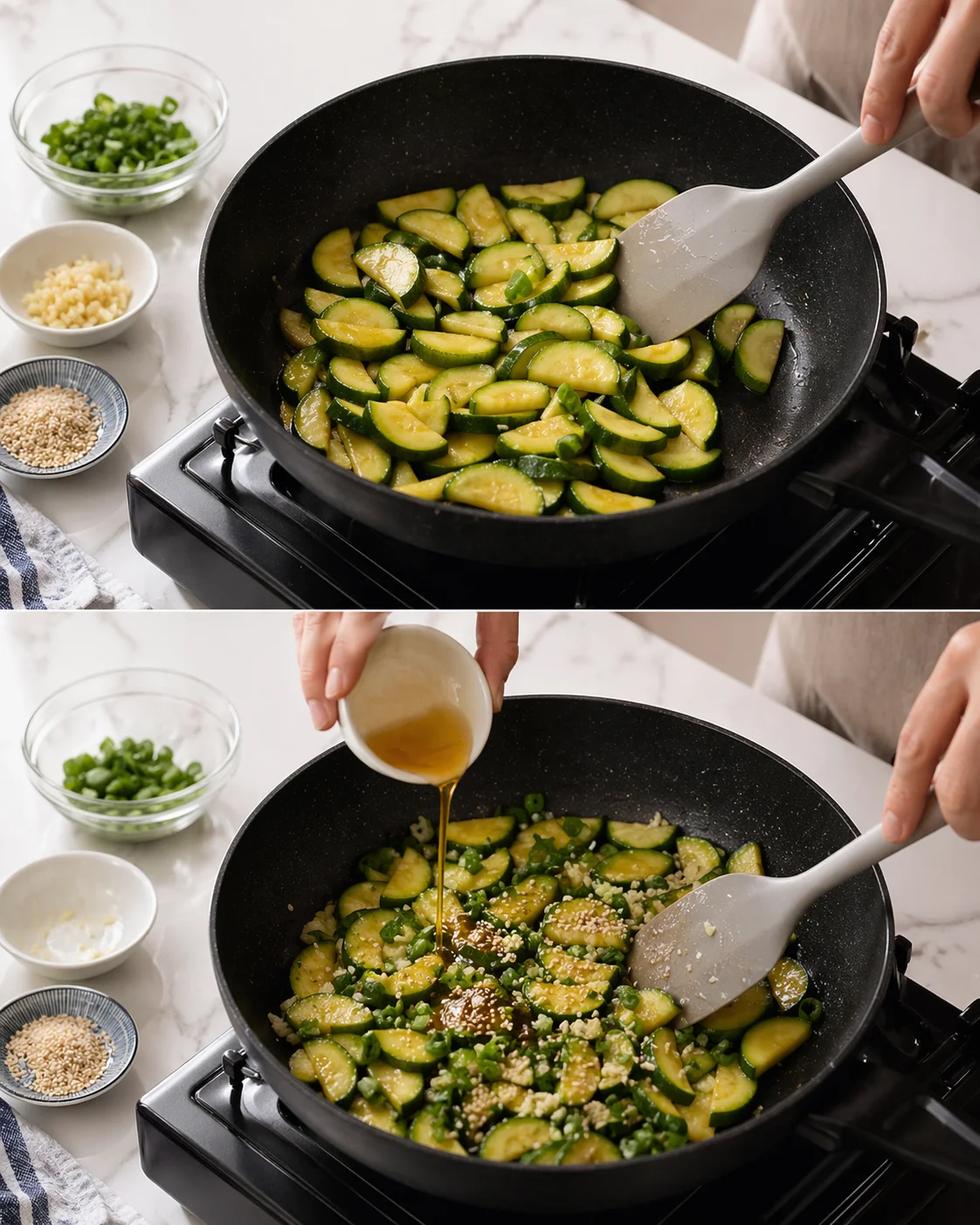
- Heat a skillet over medium to medium-high heat and sauté the zucchini for about 1 minute.
-
Toss in the minced garlic, chopped green onions, toasted sesame oil, and toasted white sesame seeds; stir briefly, then remove from heat.
Serving ideas and flavor tweaks
Korean food, or “K-food,” often features a balanced mix of rice, vegetables, seafood, and meat, with kimchi making a regular appearance at the table.
Here are a few ways to make this Korean fried zucchini part of a full, flavorful Korean-inspired feast.
For some protein, try pairing this with my Kimchi Chicken or Kimchi Beef recipes. If you’re after fish, my Whole30 baked salmon recipe will fit right in — seriously delicious!
And don’t forget kimchi! It’s practically a must-have at every Korean meal. My Keto Kimchi Pancake and Gluten-Free Kimchi recipes would round out your meal perfectly.
- Mandoline magic: Using a mandoline slicer makes this dish a breeze, giving you even, thin slices every time.
- Salt to sweat: Salting and squeezing the zucchini gets rid of excess water, so your dish isn’t watery and cooks up nicely.
- Let it chill: This side gets even better when cold, so don’t hesitate to make it ahead and serve chilled or at room temperature.
Flavor variations and substitutions
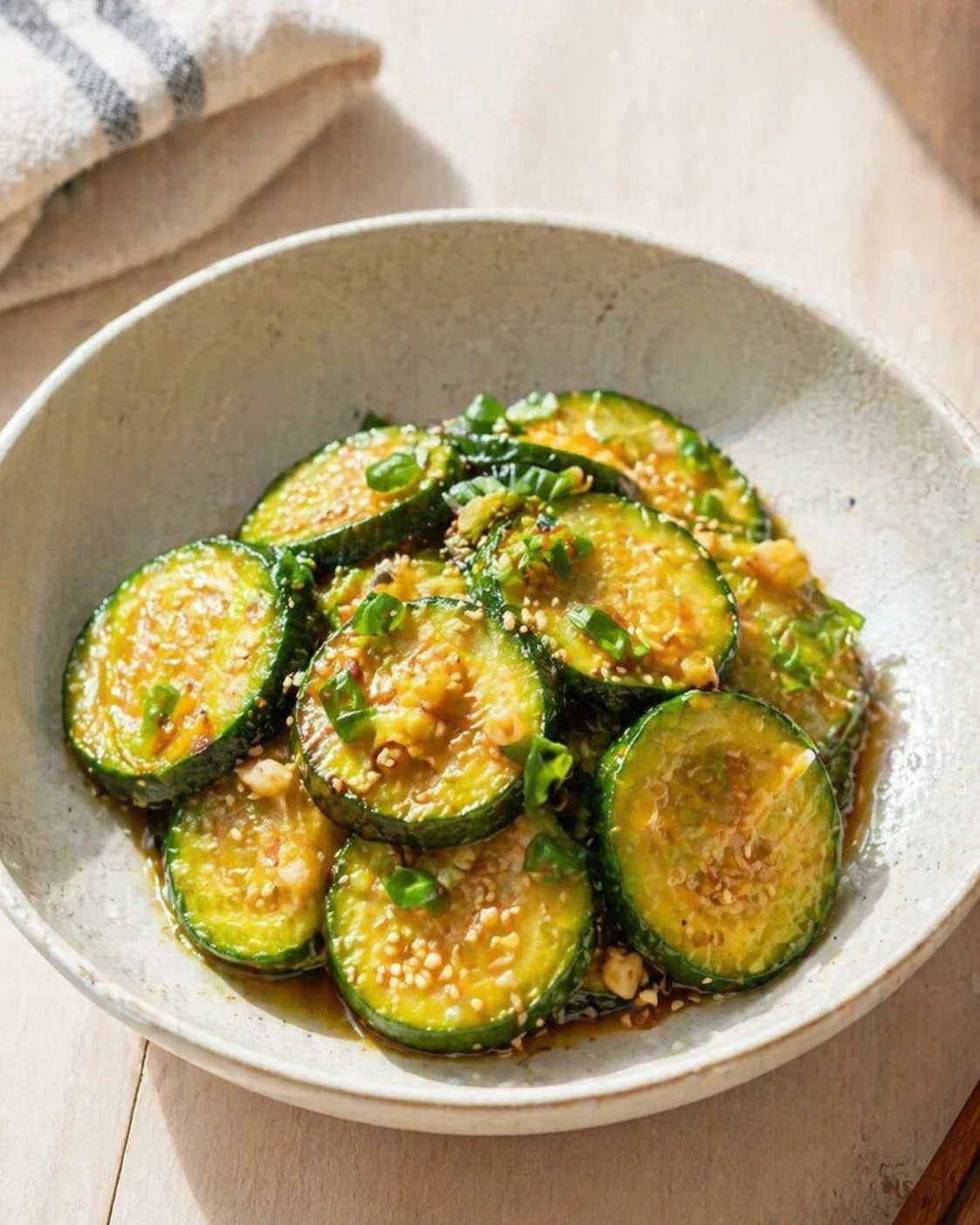
Korean zucchini sides are simple yet incredibly versatile (for a crispy, non-traditional option, try Air Fryer Zucchini With Parmesan (no breading)). Feel free to make this recipe your own with these fun twists and traditional touches:
- Heat it up: Add some gochugaru (Korean red pepper flakes) or fresh jalapeño for a spicy kick. Or stir in some Paleo-friendly gochujang sauce after chilling.
- Swap the seasoning: Fish sauce is classic here and adds depth, but soy sauce works well too—just remember to adjust your salt since soy sauce is salty.
- Try saeujeot: These tiny salted, fermented shrimp deliver a punch of umami and are traditional in this dish. They’re strong-tasting and salty, so use sparingly if you want to try them.
Storage and make-ahead tips
The great news? This Korean pan-fried zucchini tastes even better after a chill in the fridge! It absolutely can be made ahead for your busy week—try pairing it with these Sheet Pan Chicken Pitas with Herby Ranch for grab-and-go lunches.
Store it in an airtight container in the fridge. It’s freshest when eaten within two days, but will keep good for up to four days if you need some extra time.
Frequently asked questions
What does Korean zucchini taste like?
Korean zucchini, also called aehobak, tastes pretty close to regular zucchini but has a milder flavor. It has a lighter green skin and softer, sweeter flesh, which makes it great for quick cooking.
What is the famous Korean side dish?
Korean cuisine features many beloved banchan (side dishes). Popular ones include kimchi, seasoned bean sprouts, spicy cucumber salad, and Korean zucchini pancake, among others.
Is zucchini good for you?
Absolutely! Zucchini provides lots of essential vitamins like A and C, plus potassium and calcium. It’s high in fiber, low in calories, and a smart choice if you’re watching carbs—pair it with Grilled Salsa Verde Pepper Jack Chicken for a balanced, satisfying meal. For a heartier, zucchini-forward main, try Zucchini Pizza Casserole.
PrintA simple and flavorful Korean banchan (vegetable side dish) featuring thinly sliced zucchini stir-fried with garlic, green onions, and sesame for a healthy and vegan-friendly dish.
- Prep Time: 15 minutes
- Cook Time: 2 minutes
- Total Time: 17 minutes
- Yield: 4 servings 1x
- Category: Side Dish
- Cuisine: Korean
Ingredients
- 2 medium fresh zucchinis
- 1/2 teaspoon coarse sea salt
- 1 clove garlic, minced
- 2 green onions, chopped
- 1 tablespoon avocado oil (or neutral cooking oil)
- 1 teaspoon toasted sesame oil
- 1 tablespoon toasted white sesame seeds
Instructions
- Slice the zucchinis thinly, ideally using a mandoline for even slices.
- Place the sliced zucchini in a bowl and sprinkle with coarse sea salt; rub the salt into the zucchini and let it sit for about 10 minutes to draw out moisture.
- Mince the garlic and chop the green onions while the zucchini rests.
- After the zucchini has released water, squeeze out the excess moisture with your hands.
- Heat a skillet over medium to medium-high heat and add the avocado oil.
- Sauté the zucchini slices for about 1 minute until tender but still slightly crisp.
- Add the minced garlic, chopped green onions, toasted sesame oil, and toasted white sesame seeds; stir briefly to combine and cook for another 30 seconds.
- Remove from heat and serve warm or chilled.
Notes
Using a mandoline slicer ensures thin, even zucchini slices for best texture., Salting and squeezing the zucchini removes excess water to prevent the dish from becoming watery., This side dish improves in flavor when chilled and can be made ahead and stored in an airtight container in the refrigerator for up to four days., Variations include adding gochugaru (Korean red pepper flakes) or fresh jalapeño for heat, or substituting fish sauce or soy sauce to adjust flavor., Saeujeot (fermented salted shrimp) can be added sparingly for a traditional umami boost, though it is quite salty and strong-tasting.
Nutrition
- Serving Size: about 1/2 cup
- Calories: 45 kcal per serving
- Fat: 3.5 g per serving
- Carbohydrates: 4 g per serving
- Protein: 1 g per serving